When food tastes “flat,” the fix isn’t always more salt—it’s usually more umami. Umami is the savory, mouth-filling taste that makes broths taste simmered all day, sauces taste restaurant-ready, and simple rice taste like it came from a great kitchen. The good news: you can build that depth at home with a few chef-style techniques and the right pantry ingredients.
What Umami Really Does in Cooking
Umami doesn’t just make food taste “salty” or “strong.” It makes flavors feel rounder, longer, and more complete. In practical terms, umami helps:
- Broths and soups taste richer without extra fat
- Sauces cling better and taste more “finished”
- Vegetables taste more savory and less watery
- Low-sodium dishes still feel satisfying
Chefs often create umami by layering ingredients that contain glutamates and nucleotides (natural savory compounds). At home, you can do the same—faster—by combining smart techniques with a concentrated umami seafood seasoning.
What Is Crawfish Powder?
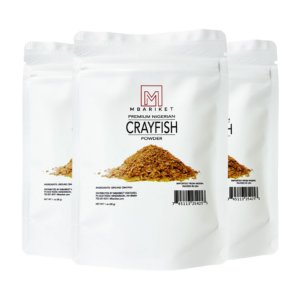
Crawfish powder is a powdered seafood seasoning made from seafood that’s been processed into a fine, concentrated form. Think of it as a chef-grade savory booster: a small pinch can add the kind of depth you’d normally need time (stock, reduction, long simmering) to achieve.
Because it’s concentrated, it works best as a background flavor builder—not a dominant “fishy” taste. Used correctly, it reads as savory, roasted, brothy, and deeply satisfying.
How to Deepen Flavor Without Salt: 7 Chef Techniques
If you’re searching for “how to deepen flavor without salt” or “savory flavor boosters,” these are the methods that reliably move dishes from good to great.
1) Bloom your seasonings in fat
Many flavors are fat-soluble. Heating seasonings briefly in oil or butter (30–60 seconds) wakes up aroma and gives dishes a more integrated taste.
- Use it for soups, beans, tomato sauce, stir-fries, and rice.
- Add aromatics first (onion/garlic), then your seasonings.
- For seafood seasoning, bloom a small pinch in oil before adding liquids.
Tip: If using crawfish powder, keep the heat moderate and stir constantly for a few seconds—just enough to release aroma—then add stock, tomatoes, or cream.
2) Build a “base note” early, then a “top note” at the end
Restaurant flavor often comes from seasoning in stages. Early seasoning becomes the foundation; late seasoning becomes the bright finish.
- Base note: add during sautéing or simmering (brothy, deep, savory).
- Top note: add at the end (fresh herbs, citrus, vinegar, pepper).
A pinch of natural umami seasoning like crawfish powder works best as the base note. Finish with lemon, scallion, parsley, or a dash of vinegar for lift.
3) Reduce liquids to concentrate savoriness
If a soup or sauce tastes thin, simmer it uncovered. Reduction concentrates existing flavor without adding sodium.
- For soups: reduce 10–20 minutes, then adjust seasoning.
- For sauces: reduce until it coats the back of a spoon.
Shortcut: If you don’t have time to reduce, add a small pinch of seafood seasoning for immediate depth, then let it simmer 3–5 minutes to smooth out.
4) Use umami “bridges” between ingredients
Dishes taste cohesive when there’s a savory bridge connecting flavors. Examples include tomato paste, mushrooms, parmesan rind, miso, soy sauce, or a savory seafood seasoning.
In creamy soups, chowders, stews, or pan sauces, a pinch of crawfish powder can act as that bridge—making dairy, aromatics, and vegetables taste more unified.
5) Add a tiny amount of bitterness or toastiness
Deep flavor often needs contrast. Light browning (fond) and a touch of toastiness can make food taste more complex.
- Brown tomato paste for 1–2 minutes before adding liquids.
- Toast rice in oil before adding water/stock.
- Sear mushrooms or proteins to build fond, then deglaze.
Once you have that toasted note, umami ingredients (including powdered seafood seasoning) make it taste intentional and “slow-cooked.”
6) Deglaze for instant depth
After sautéing, add a splash of stock, wine, or even water and scrape up the browned bits. That’s concentrated flavor.
For quick pan sauces, deglaze, reduce slightly, then add butter and a pinch of seafood seasoning to round everything out.
7) Use acid to make umami pop (without more salt)
Acid doesn’t replace umami, but it makes savory flavors taste clearer. A dish can be deeply seasoned yet still taste dull if it lacks brightness.
- Lemon/lime juice
- Vinegar (rice, sherry, apple cider)
- Tomatoes
Use umami for body, then acid for clarity. This combo is a reliable “restaurant flavor secret.”
Where a Pinch of Seafood Seasoning Makes the Biggest Difference
If you’re exploring “best seafood seasoning” or “pantry ingredients that improve cooking,” focus on everyday dishes where umami matters most:
- Soups & broths: chicken noodle, vegetable soup, creamy potato soup, ramen-style broth
- Rice & grains: steamed rice, coconut rice, risotto shortcuts, quinoa bowls
- Sauces: tomato sauce, gravy, creamy pasta sauce, quick pan sauces
- Vegetables: roasted cauliflower, sautéed greens, corn, mushrooms, green beans
- Beans: lentils, black beans, white bean soup
In these dishes, a small amount of crawfish powder can mimic the savoriness chefs build through long-simmered stock—especially when paired with browning, reduction, and a bright finish.
How to Use Crawfish Powder (So It Tastes Savory, Not Overpowering)
The key is dosage and timing. You’re aiming for background depth.
- Start small: try a pinch, then taste after a few minutes of simmering.
- Add it to heat: bloom in oil or stir into hot broth/sauce to dissolve evenly.
- Let it cook: give it 3–5 minutes in a simmering liquid to round out.
- Balance with brightness: finish with lemon, herbs, or a tiny splash of vinegar.
If you enjoy building flavor systematically, you may also like our guide to savory cooking fundamentals and how chefs build umami in soups for more layering strategies.
Quick Weeknight Moves: 3 Ways to Upgrade Dinner in 10 Minutes
- Better rice: toast rice in oil, add water/stock, then stir in a pinch of natural umami seasoning near the end; finish with scallions.
- Faster soup depth: sauté onion/garlic, bloom seafood seasoning, add broth and vegetables, simmer 8–10 minutes, finish with lemon.
- Instant pan sauce: sear protein, deglaze, reduce, whisk in butter and a small pinch of crawfish powder; spoon over chicken, fish, or roasted vegetables.
Experience Real Umami Flavor
If you want to add deep, natural seafood umami to soups, rice, sauces, and everyday cooking, try premium crayfish powder from Mbariket.