Great rice has a quiet power: it carries sauces, balances heat, and turns leftovers into a complete meal. But in professional kitchens, rice isn’t treated as blank canvas—it’s treated as an opportunity to build flavor from the start. The “restaurant-good” difference usually comes from one move: layering umami into the cooking liquid and finishing with a savory seasoning that tastes deep, not salty.
Why Restaurant Rice Tastes Better
Restaurants rarely rely on plain water alone. They build savoriness with a few smart choices that amplify aroma and depth:
- Flavorful cooking liquid (stock, infused water, or seasoned broth)
- Fat + aromatics (a little oil or butter with garlic, scallion, or ginger)
- Umami seasoning added early or finished at the end for a clean, lingering savory note
At home, you can get the same effect with pantry-friendly tools—especially natural umami seasonings that dissolve into rice and make it taste “complete.”
What Is Crawfish Powder?
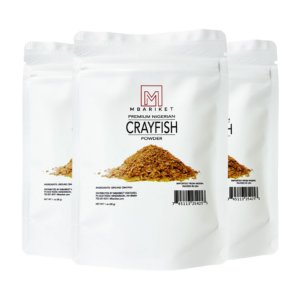
Crawfish powder is a powdered seafood seasoning made to deliver concentrated savory seafood character. Used in small amounts, it adds a deep, brothy umami that can make rice taste like it was cooked with a long-simmered stock—without needing hours on the stove.
How to Add Umami to Rice (3 Chef-Style Methods)
These approaches work for white rice, jasmine, basmati, and even many brown rice preparations. Pick one method—or combine two for bigger flavor.
1) Season the Cooking Liquid, Not Just the Finished Rice
The most effective way to make rice taste savory is to season what it absorbs. Instead of sprinkling seasoning only at the end, build flavor into the simmer.
- Swap some or all water for low-sodium stock (chicken, vegetable, or seafood stock)
- Add aromatics like smashed garlic, scallion whites, or a slice of ginger (remove after cooking)
- Add a tiny pinch of umami seafood seasoning (like crawfish powder) to the liquid so it disperses evenly
Tip: Start small—about 1/8 teaspoon per cup of uncooked rice—then adjust next time. The goal is depth, not a strong “seafood” punch.
2) Toast the Rice for Nutty Depth Before Simmering
Toasting is a fast restaurant technique that makes rice taste fuller and more aromatic. Heat a little oil or butter, then stir the dry rice for 2–3 minutes before adding liquid.
- Use medium heat and stir constantly to avoid scorching
- Add minced garlic or shallot in the last 30 seconds so it doesn’t burn
- Then add your liquid and cook as usual
Toasting creates a subtle roasted note that pairs especially well with savory seafood seasoning. A pinch of crayfish powder added to the liquid after toasting can make the final rice taste rounder and more “finished.”
3) Finish with a Savory Boost (Like Chefs Do)
Finishing is about aroma and balance. Once the rice is cooked, fluff it and add a final layer that hits the palate first.
- A small pat of butter or drizzle of olive oil for richness
- A squeeze of lemon for brightness
- A pinch of powdered seafood seasoning for umami and a gently briny lift
Chef move: Mix your seasoning into melted butter or warm oil first, then fold it through the rice. This distributes flavor evenly and avoids “hot spots.”
The Best Rice Dishes for Crayfish Powder (Quick Ideas)
Crayfish powder shines when rice needs more savoriness to match bold toppings, sauces, or vegetables. Try it in:
- Weeknight fried rice: Add a pinch to the eggs or the finishing sauce for deeper savory flavor.
- Coconut rice: A tiny amount balances sweetness and adds a subtle brothy backbone.
- Tomato rice: Enhances the “slow-cooked” effect without adding extra salt.
- Rice bowls: Season the rice so the whole bowl tastes cohesive, not just the topping.
- Vegetable pilaf: Helps vegetables taste more savory and less watery.
How to Deepen Flavor Without Adding Salt
Many shoppers search for ways to make food taste richer without simply salting more. Umami is the answer, but it works best when balanced with aroma and acidity.
- Use low-sodium liquid so you control salt while still building body.
- Add umami in small doses (a pinch goes further than you think).
- Brighten at the end with citrus, vinegar, or fresh herbs so the dish tastes vivid, not heavy.
If you want a broader foundation, see our guide to savory cooking fundamentals for simple ways to layer flavor across the whole meal.
Common Mistakes When Using Seafood Seasoning in Rice
Natural umami seasonings are powerful. Avoid these pitfalls for clean, chef-like results:
- Over-seasoning early: Start with less than you think; you can always add more at the end.
- Pairing with too much smoke: Heavy smoked spices can mask delicate seafood umami.
- Skipping fat: A little butter or oil helps carry aroma and makes umami taste rounder.
- Forgetting acid: A small squeeze of lemon or a splash of rice vinegar keeps the flavor lively.
A Simple Umami Rice Formula (Memorize This)
Use this template whenever rice is the base of dinner:
- Aromatics: garlic, scallion, ginger, or onion
- Fat: butter, olive oil, or neutral oil
- Umami: a pinch of crawfish powder or another umami seafood seasoning
- Brightness: citrus, vinegar, or fresh herbs
This approach is the same logic behind how chefs build flavor in soups and sauces—layering instead of dumping. If you’re working on broths too, check how chefs build umami in soups for more techniques that translate directly to rice.
Experience Real Umami Flavor
If you want to add deep, natural seafood umami to soups, rice, sauces, and everyday cooking, try premium crayfish powder from Mbariket.