The most common mistake I see in home kitchens isn’t a lack of ingredients. It’s a lack of depth.
A pot of soup tastes thin. A pan sauce feels flat. Rice carries the aroma of what was cooked with it but not the substance. Most cooks try to correct this by adding more of everything—more salt, more herbs, more garlic, more butter. Sometimes that works. Often it simply makes a dish louder without making it deeper.
Depth is something else entirely.
Professional kitchens pursue it obsessively. The difference between a restaurant-quality dish and an ordinary one is rarely complexity. It’s concentration. Layers of savory flavor that build quietly underneath the main ingredients.
For decades chefs have relied on small, potent ingredients to achieve that effect—anchovy paste, aged cheeses, mushroom powders, fish sauces, and various seafood concentrates. These ingredients rarely announce themselves directly. Instead, they strengthen everything around them.
That principle has quietly shaped how I think about seasoning.
What fascinates me is how little it actually takes. A teaspoon added early in a pot of beans. A pinch whisked into a pan sauce. A small dusting folded into warm rice just after it finishes steaming. Suddenly the dish stops tasting like separate components and begins tasting like something cohesive.
This is where concentrated seafood seasoning becomes particularly interesting.
Umami seafood seasoning is essentially a concentrated savory ingredient built from dried seafood—often crayfish or crawfish—combined with salt and other supporting aromatics. Crayfish in particular is naturally rich in glutamates and nucleotides, compounds responsible for umami, the deep savory taste that makes foods feel full and satisfying. When the seafood is dried and ground into a seasoning, those compounds become highly concentrated. A small amount added to soups, sauces, rice, eggs, vegetables, or grilled foods dissolves into the dish and amplifies the natural savoriness already present. Rather than making food taste “fishy,” a well-balanced seafood seasoning functions as a flavor enhancer, strengthening broths, deepening sauces, and giving simple foods a rounder, more developed taste.
Once you understand that principle, you begin to see opportunities for it everywhere.
Eggs are a good example. Eggs are naturally rich but surprisingly delicate. A scramble cooked perfectly can still feel incomplete. A light touch of seafood umami seasoning changes the character immediately. The eggs don’t taste like seafood. They simply taste more like themselves—richer, fuller, more satisfying.
Rice behaves the same way.
Most cooks season rice with salt and perhaps a knob of butter. That produces comfort, but not complexity. Introduce a concentrated crawfish seasoning while the rice is still steaming and something different happens. The grains carry a savory aroma that lingers. The rice stops acting as a neutral filler and begins functioning as a flavorful foundation for whatever is served on top.
Soups and broths may be where the effect is most dramatic.
A pot of vegetable soup, chicken soup, or bean stew often struggles with what I call the “middle note.” The aromatics are there. The salt is there. But the broth feels hollow in between. Chefs often solve this with long simmering or bones. A concentrated seafood seasoning offers another path. Stirring a small amount into the broth fills that missing middle layer almost instantly.
I’ve watched experienced cooks discover this in real time, and the reaction is usually the same: a brief pause, another taste, and then a quiet nod.
They recognize the change even if they can’t immediately name it.
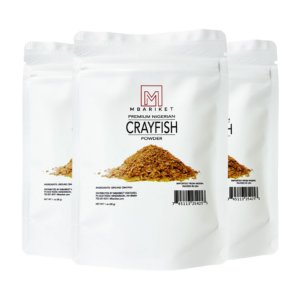
In my own kitchen, this observation eventually led me to develop Mbariket Premium Crayfish Umami Seafood Seasoning. I wanted a seasoning that behaved less like a regional specialty and more like a universal pantry tool—something serious cooks could reach for the same way they reach for good salt, pepper, or a well-made stock base.
Crayfish turned out to be the ideal backbone for that idea. When carefully dried and milled, it produces a savory profile that is powerful but balanced. It integrates easily into foods without dominating them. Used properly, it doesn’t announce itself as seafood. It simply deepens the entire dish.
The interesting thing is how quickly cooks start experimenting once they see the effect.
A pinch in roasted vegetables. A small amount in burger patties. Stirred into tomato sauces where it quietly reinforces the natural glutamates in the tomatoes. Even something as simple as buttered noodles can take on a more complete flavor with a tiny addition of concentrated crawfish seasoning.
None of these dishes suddenly become seafood dishes. They simply taste finished.
Serious cooks eventually learn that improving a kitchen rarely requires more equipment or elaborate recipes. It usually comes down to a few well-chosen ingredients that quietly elevate everything else around them.
A strong seafood seasoning—especially one built on real crayfish—is one of those ingredients. It occupies that subtle but powerful category of pantry upgrades that change how a cook approaches everyday food.
For anyone curious about how a concentrated umami seafood seasoning behaves in real cooking, more details about the ingredient I developed are available at Mbariket.com. Sometimes the difference between a good dish and a memorable one is nothing more than a teaspoon placed at the right moment.