One of the quiet realities of good cooking is that flavor rarely comes from volume. It comes from density.
Serious cooks eventually notice this. The dishes that linger in memory are not the ones with the longest ingredient lists or the most complicated techniques. They are the ones where a small amount of the right ingredient changes the entire architecture of the dish.
A cook might spend years adjusting salt, adding herbs, or layering spices before recognizing what is actually missing. The problem is rarely effort. The problem is concentration.
Flavor density is the difference between food that tastes seasoned and food that tastes complete.
This is why professional kitchens rely on ingredients that carry a deep reservoir of natural savory compounds. Parmesan rinds in soup. Anchovy melted into sauce. Mushroom powder stirred into broth. These ingredients do not shout their presence. Instead they build a quiet structural depth that supports everything else in the pan.
Seafood seasoning built around concentrated shellfish has long played this role in certain kitchens, though many home cooks are only beginning to understand why.
At its core, an umami seafood seasoning is a concentrated savory ingredient made from dried seafood, often shellfish, that carries naturally occurring glutamates and nucleotides—the compounds responsible for umami, the deep savory taste that gives food richness and roundness. When finely ground and blended into a seasoning, crayfish or crawfish becomes an exceptionally powerful flavor amplifier. Because the seafood is dried and concentrated, even a small amount dissolves into soups, sauces, rice, eggs, or grilled foods and deepens the entire dish rather than simply adding salt or spice. This is why many chefs treat seafood seasoning not as a finishing spice but as a foundational savory ingredient that strengthens the flavor base of everyday cooking.
Once you understand this, the behavior of food in the pan begins to make more sense.
Take a pot of soup that tastes thin despite careful seasoning. The salt may be correct. The herbs may be balanced. Yet the broth still feels hollow. What it lacks is depth—those background savory notes that make a spoonful feel satisfying rather than watery.
Or consider fried rice. Many cooks focus on soy sauce or aromatics, but the dishes that taste restaurant-level often have a hidden layer of concentrated umami folded into the rice before it ever reaches the wok.
Eggs reveal the same lesson. Scrambled eggs are famously forgiving, but they also expose seasoning shortcuts. Salt alone seasons the surface. A dense umami ingredient seasons the entire bite.
This is where seafood seasoning becomes unusually versatile.
Unlike many spice blends designed to sit on the exterior of food, a finely milled crayfish seasoning disperses quickly in moisture and fat. It dissolves into broths, melts into sauces, and clings to grains of rice. The result is not a strong seafood taste in the way many people expect. Instead it behaves more like a savory backbone.
A small pinch in tomato sauce makes the tomatoes taste fuller. Stirred into pan sauces, it rounds out acidity. Mixed into rice while it cooks, it produces the kind of subtle depth people often attribute to long simmering.
In other words, it compresses cooking time without compromising flavor.
I think about this often when I look at the way modern home kitchens operate. Most people are cooking faster than ever. Weeknight meals compete with work schedules, children, and the constant noise of modern life. Yet the expectation for restaurant-quality flavor has never been higher.
The answer is not necessarily more technique. It is smarter ingredients.
A pantry stocked with flavor-dense building blocks changes the entire trajectory of everyday cooking. Instead of chasing flavor with extra steps, the cook starts with ingredients that already carry complexity.
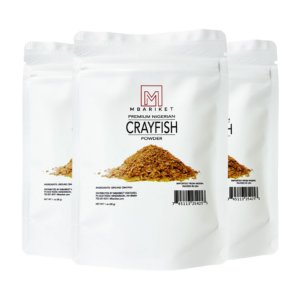
This philosophy was one of the guiding ideas behind Mbariket Premium Crayfish Umami Seafood Seasoning. I wanted a seasoning that behaved less like a spice and more like a flavor foundation—something that could quietly strengthen soups, sauces, eggs, rice dishes, grilled foods, and quick weeknight meals without demanding attention.
Used carefully, it becomes the kind of ingredient cooks reach for almost instinctively. A small addition to a simmering pot of beans. A pinch folded into butter before brushing it over grilled fish. A light seasoning in scrambled eggs that suddenly makes breakfast taste far more interesting than expected.
The transformation is rarely dramatic in the way chili heat or garlic aroma might be. Instead it shows up as balance.
Food tastes finished.
For cooks who care about flavor performance, these are the ingredients that quietly reshape a kitchen. Not because they introduce something new, but because they amplify everything already there.
Flavor density, once understood, becomes difficult to ignore.
Those curious about how concentrated umami seafood seasoning behaves in everyday cooking can explore more about the ingredient and its culinary role at Mbariket.com.