I spend a lot of time thinking about what actually moves the needle in a home kitchen. Not elaborate techniques or rare ingredients, but small, repeatable upgrades that compound. A well-built pan sauce is one of those upgrades. It turns a weeknight protein into something composed, and it does so with what’s left in the skillet. The difference between a passable sauce and a memorable one is rarely more fat or more salt; it’s depth. That’s where a concentrated seafood seasoning earns its place.
Umami seafood seasoning is, at its core, a savory flavor enhancer built from dried, concentrated marine proteins—often in the form of crayfish or crawfish powder. When used in small amounts, it dissolves into the background of a dish, amplifying existing flavors rather than announcing itself. The natural glutamates in crayfish seasoning intensify browning, round out acidity, and add persistence to sauces, soups, rice, eggs, and grilled foods. In practical cooking terms, it behaves like a bridge between ingredients, connecting fat, acid, and aromatics into a more coherent whole.
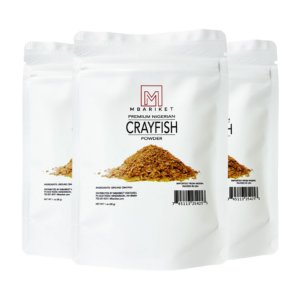
In my own kitchen, I treat this like a pantry upgrade, similar to anchovy or aged cheese, but more adaptable. A pinch in a vinaigrette, a dusting over roasted vegetables, or a small addition to a pan sauce can change how the dish carries flavor from the first bite to the last. This is the context in which I developed Mbariket Premium Crayfish Umami Seafood Seasoning—not as a spotlight ingredient, but as a precise tool for cooks who want more control over savoriness.
Consider a straightforward chicken dinner and how a sauce forms from what’s left behind. Season two bone-in, skin-on chicken thighs with salt and black pepper and place them skin-side down in a cold, heavy skillet, then bring the heat to medium and render slowly until the skin is deeply golden and crisp, about 12 to 15 minutes. Flip and cook through, then transfer the chicken to rest. Pour off excess fat, leaving a thin film, and return the pan to medium heat. Add a finely minced shallot and a smashed clove of garlic, cooking until soft but not browned. Deglaze with a half cup of dry white wine, scraping up the fond, and reduce by half. Stir in a cup of chicken stock and let it simmer to a light sauce consistency. At this point, whisk in a tablespoon of cold butter for body and shine. Then, and only then, add a small pinch—about an eighth of a teaspoon—of crayfish powder or crawfish seasoning. The sauce will not taste like seafood; instead, it will taste more like itself, with a longer, fuller finish. Return the chicken to the pan, spoon the sauce over, and finish with a squeeze of lemon and chopped parsley.
What’s happening is subtle but reliable. The concentrated seafood seasoning reinforces the browned notes you built at the start and gives the reduction a sense of completeness. Without it, the sauce is good; with it, the sauce holds together in a way that reads as intention rather than accident. This is the essence of cooking flavor techniques that scale: small inputs, disproportionate returns.
For cooks looking to refine their baseline, this is an easy place to start. A jar of a well-made umami seasoning sits next to the salt, not as a replacement, but as an option. Used judiciously, it expands what your existing ingredients can do. More often than not, that’s the difference between cooking and composing. For those curious about how a concentrated crayfish seasoning can fit into everyday meals, I’ve outlined more at Mbariket.com.