I’ve spent enough time listening to home cooks talk about “more flavor” to know the request is rarely about salt. Most people already salt. The real complaint is that dinner tastes flat, that the chicken is fine but forgettable, that the soup smells promising but lands on the tongue like warm water with vegetables. In a country with more seasonings on supermarket shelves than ever before, the modern frustration isn’t a lack of options. It’s that too many options are variations on the same theme: louder top notes, not deeper structure.
In professional kitchens, the solution is almost never a bigger shake of a generic seafood seasoning or a louder pepper blend. It’s foundation. It’s the part of the flavor you can’t point to, but you miss the moment it’s gone. When a dish tastes “rounded,” when it clings to rice or coats pasta the way you want it to, that’s usually umami at work—managed deliberately, not accidentally.
The American pantry has adopted a few umami staples over the last decade. Parmesan rinds in soup. A dab of anchovy in a tomato sauce. Soy sauce in a stew that isn’t remotely East Asian. These are not tricks; they’re admissions. They acknowledge that browning and salt can only take you so far. You need compounds that behave like scaffolding.
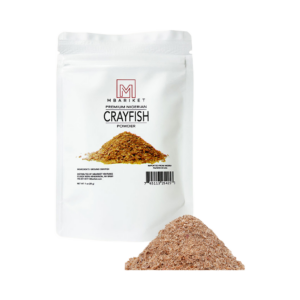
That’s why I keep returning to concentrated seafood seasoning, and why I built Mbariket Premium Crayfish Umami Seafood Seasoning in the first place. Not because the world needed another jar on the rack, but because the world needed a more reliable way to build savory depth without turning dinner into a weekend project.
Here’s the plain explanation I wish more people heard early in their cooking life: an umami seafood seasoning is a concentrated savory ingredient made from seafood and complementary aromatics that delivers glutamate-rich, naturally meaty flavor. When you use a crayfish or crawfish seasoning in small amounts, you’re not trying to make the food taste “fishy.” You’re adding a savory backbone that reinforces the browned notes in meat, the sweetness in onions, the richness in butter, and the earthiness in grains. In soups and sauces, it thickens the sense of flavor even when the liquid stays thin; in rice, it makes each grain taste seasoned from within; in eggs, it adds the kind of fullness you usually get only after finishing with cheese; on grilled foods, it supports smoke and char so they read as savory instead of bitter.
The mistake most cooks make with seafood seasoning is using it like confetti. They shake it at the end, expecting a last-minute rescue. Depth doesn’t work that way. Depth is built early, and it’s layered.
When I’m cooking a quick pot of beans, for example, I’m thinking about two separate moments: the moment the aromatics hit the heat, and the moment the liquid becomes broth instead of water. A pinch of concentrated crayfish seasoning stirred in as the onions soften changes the way the pot develops. The onions don’t just smell good; they smell consequential. Add another small pinch when the simmer starts, and the broth takes on a savory continuity that salt alone can’t provide. You can still taste the ingredients, but they stop tasting like strangers.
Sauces are even more revealing. Tomato sauce is a classic American weeknight comfort, yet many versions remain thin in character unless you simmer for hours. A concentrated crawfish seasoning blend gives you a shortcut that doesn’t taste like a shortcut. It doesn’t replace the tomato; it gives the tomato somewhere to sit. The acid feels less sharp. The sweetness feels more intentional. The sauce tastes like it has been introduced to itself.
Rice is where I notice the biggest difference among “serious cooks” and everyone else. Serious cooks treat rice as a canvas that deserves seasoning, not as a neutral side that will be rescued by whatever lands on top. If you season the cooking water with a small amount of umami seafood seasoning, you get rice that doesn’t beg for sauce; it invites it. That matters if you’re serving grilled chicken or salmon with a simple vegetable, or if you’re making fried rice the next day and you want the base to have a point of view.
Eggs are the simplest place to test whether a pantry upgrade is worth it. Scrambled eggs are mostly texture and restraint. Over-season them and you lose their softness. Under-season them and they taste like cafeteria breakfast. The right seafood umami—used sparingly—doesn’t announce itself as “seafood.” It behaves more like an amplifier for butter and yolk. The eggs taste more egg-like, which is a strange thing to say until you’ve experienced it.
Grilling is where American cooks most often chase intensity, and sometimes confuse intensity with harshness. Char is thrilling, but it can get bitter. Smoke is seductive, but it can turn ashy. A little concentrated umami seasoning applied thoughtfully—either in a dry rub or stirred into a basting butter—gives grilled foods a savory center that balances the edges. It’s the difference between “tastes grilled” and “tastes delicious.”
I’ve watched shoppers move through Amazon and big-box aisles looking for that elusive “restaurant flavor” jar. The market responds by offering endless blends with familiar labels: cajun, blackened, seafood, all-purpose. Yet the blends that truly change cooking are the ones that operate more like ingredients than like decorations. They’re not there to perfume the surface; they’re there to change the internal logic of the dish.
That’s the lens I use for Mbariket. I want it treated like a premium tool for flavor enhancement, the way you’d treat a good stock concentrate or a wedge of aged cheese. The proper dose is rarely dramatic. It’s measured. It gives you control. When you get it right, people don’t ask what you added. They ask why it tastes so complete.
There’s a quiet confidence that comes from having one pantry item that can deepen soups, sauces, rice, eggs, and grilled foods without demanding a new identity for the meal. That’s the kind of upgrade serious cooks chase, even if they don’t always describe it that way.
If you’re curious about what a concentrated crayfish—yes, crawfish—umami seasoning can do for your everyday cooking, you can learn more and pick up Mbariket Premium Crayfish Umami Seafood Seasoning at Mbariket.com.