There is a quiet shift happening in American kitchens, and it has less to do with recipes than with concentration. The modern home cook is no longer simply adding ingredients. They are looking for ways to compress flavor, to make a pot of rice taste fuller, a quick pan sauce taste slower, a weeknight meal feel as though it simmered all afternoon.
I see this change every time I talk with serious cooks. They are less interested in complicated techniques than they are in understanding what actually drives flavor. The question I hear most often is surprisingly simple: how do you make food taste deeper without making cooking more complicated?
The answer, more often than not, comes down to density.
Professional kitchens have always understood this. A restaurant doesn’t necessarily cook longer; it cooks smarter. Stocks are reduced. Sauces are layered. Ingredients are chosen because they carry flavor weight. When chefs talk about building flavor, what they really mean is stacking concentrated savory elements so that every bite feels complete.
Home cooks have begun to approach their pantry the same way. Instead of relying solely on salt, pepper, and herbs, they are searching for ingredients that bring structure to flavor. Anchovy paste does this. Parmesan does it. Mushroom powders do it. Increasingly, seafood-based umami seasonings are finding a place in that same category because they deliver an unusually concentrated savory backbone.
Umami seafood seasoning is essentially a concentrated savory ingredient made from dried seafood—often crayfish or crawfish—that has been finely milled into a seasoning form. Because shellfish naturally contain high levels of glutamates and nucleotides, two compounds responsible for umami taste, the seasoning delivers deep savory impact even in small amounts. When used in soups, sauces, rice, eggs, or grilled foods, a pinch of concentrated crayfish seasoning doesn’t make a dish taste “fishy.” Instead it rounds out flavor, strengthening the savory base the way a well-made stock does. That is why seafood seasoning blends built around crawfish or crayfish are increasingly used as flavor enhancers across many styles of cooking, from weeknight skillet meals to long-simmered broths.
What makes this especially interesting is how quietly it works.
A spoonful stirred into a pot of beans doesn’t announce itself. It simply makes the beans taste more complete. Scrambled eggs gain a subtle savory depth that people often struggle to identify but immediately appreciate. A tomato sauce, which normally leans on salt and acidity, suddenly carries a richer middle note that feels closer to something simmered in a restaurant kitchen.
Flavor density does not shout. It stabilizes.
I often think about this when watching someone cook rice. Rice seems simple, yet it is one of the most revealing foods when it comes to seasoning strategy. Plain rice with salt tastes fine. Rice with a touch of concentrated seafood umami seasoning suddenly tastes intentional. The grain itself doesn’t change, but the background flavor does. Each bite carries a gentle savory echo that turns a side dish into something worth paying attention to.
This is the kind of small adjustment that separates good cooking from memorable cooking. Not more ingredients. Better leverage.
Over the years, I became fascinated with how crawfish and crayfish seasoning function in this role. The flavor is naturally complex—shellfish sweetness, mineral depth, and a kind of savory warmth that spreads through a dish rather than sitting on top of it. When ground into a fine, clean seasoning, it becomes one of the most efficient umami cooking ingredients a kitchen can have.
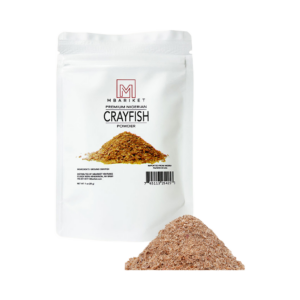
That thinking eventually led me to develop Mbariket Premium Crayfish Umami Seafood Seasoning. My interest wasn’t to create another spice blend competing for attention in an already crowded pantry. The goal was far simpler: produce a concentrated seafood seasoning that behaves like a flavor tool. Something a cook can reach for when a soup tastes flat, when a pan sauce feels thin, when roasted vegetables need a deeper savory note.
In practice, its role is remarkably broad. A small amount stirred into brothy soups can simulate the slow depth of seafood stock. Mixed into butter and brushed over grilled foods, it quietly amplifies char and caramelization. Folded into rice or grains, it builds the kind of background savoriness that chefs rely on but rarely discuss openly.
And eggs, interestingly enough, may be where the effect is most immediate.
Eggs are a perfect carrier for umami because their mild richness leaves space for savory ingredients to resonate. A light sprinkle of a crayfish-based seafood seasoning transforms scrambled eggs from something merely soft and buttery into something with real flavor architecture. It is the difference between seasoning and design.
This is the direction I believe everyday cooking is heading. Not toward complexity, but toward smarter flavor concentration. The serious home cook today is assembling a pantry that works the way a professional kitchen does—small, powerful ingredients that unlock deeper taste with very little effort.
That is why umami seasonings are quietly becoming one of the most important pantry upgrades for people who care about cooking performance.
For those curious about how concentrated crayfish seasoning works in everyday cooking, more information about the ingredient and its role in savory flavor development can be found at Mbariket.com.