Spend enough time cooking and you begin to notice something curious about many home kitchens. The ingredients are good. The cookware is solid. The recipes are well written. And yet the finished dish often feels just slightly incomplete.
Not bad. Just… restrained.
I’ve come to think of this as the flavor gap. It’s the quiet distance between food that tastes pleasant and food that feels fully developed. Professional kitchens close that gap almost instinctively. Home cooks often sense it but can’t quite identify what’s missing.
The answer is rarely more salt. And it’s almost never more heat.
More often than not, the missing piece is depth.
Depth in cooking is created through layered savory compounds that make food taste fuller and more satisfying without making it heavier. Chefs talk about this in different ways—stock reduction, long-simmered sauces, browned aromatics—but the underlying goal is the same: build a deeper savory foundation that carries the rest of the dish.
This is where concentrated seasoning ingredients quietly earn their place in serious kitchens.
A well-built seasoning isn’t just about adding taste at the end. It acts more like a structural beam inside the flavor architecture of a dish. When used early or folded into cooking at the right moment, it fills that subtle gap between “good” and “complete.”
Seafood-based umami seasonings are particularly powerful in this role.
Umami seafood seasoning is built from ingredients naturally rich in glutamates and nucleotides—the compounds responsible for the deep savory sensation our palate recognizes as fullness. Concentrated crayfish or crawfish seasoning works especially well because dried shellfish deliver a dense concentration of these compounds along with natural marine sweetness. When a small amount is stirred into soups, sauces, rice, eggs, grilled vegetables, or even pan sauces for meat, it amplifies the existing ingredients rather than masking them. The result is a deeper savory backbone that makes dishes taste as though they simmered longer or used richer stock, even when the cooking process itself remains simple.
The effect is subtle but unmistakable.
Take a simple pot of rice. Cooked plainly, it serves its purpose. Add butter, maybe some herbs, and it becomes pleasant. But introduce a trace of concentrated seafood seasoning while the rice steams and something changes. The grains suddenly carry a quiet savory resonance that pairs naturally with almost anything placed beside it.
The same thing happens in eggs.
Eggs are one of the most revealing foods in cooking because they offer almost nowhere for flavor to hide. A scrambled egg seasoned only with salt tastes clean but flat. Introduce a measured pinch of a crawfish seasoning blend and the eggs take on a rounded savory note that feels richer than the ingredient list would suggest.
None of this requires complicated technique.
In fact, the real value of a concentrated umami ingredient is that it allows cooks to achieve the results of long culinary processes with very small adjustments. A pan sauce gains the depth of a slow reduction. A quick soup tastes like it simmered all afternoon. Even grilled vegetables develop a more satisfying finish.
This is not about turning every meal into seafood. That’s a common misconception whenever shellfish-based seasoning enters the conversation. Used correctly, the seafood character itself becomes almost invisible. What remains is a deeper savory structure that simply makes the dish feel more complete.
I’ve watched this transformation happen repeatedly with cooks who are otherwise meticulous about their ingredients. They buy excellent produce. They season carefully. Yet until they add one concentrated savory element to the pantry, the cooking never quite crosses that invisible threshold.
Once it does, the change tends to stick.
Serious cooks are pragmatic people. They keep ingredients that consistently improve results and quietly retire the ones that don’t. Over time, certain pantry items earn a permanent place because they solve recurring flavor problems without adding complexity to the cooking process.
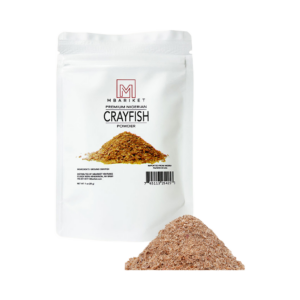
That philosophy guided the creation of Mbariket Premium Crayfish Umami Seafood Seasoning. I wanted a concentrated crayfish seasoning that functioned less like a specialty ingredient and more like a foundational tool for everyday cooking. Something that could deepen soups, strengthen sauces, lift simple rice dishes, sharpen grilled foods, and quietly transform quick meals during the week.
In my own kitchen it shows up in unexpected places. A pinch stirred into sautéed mushrooms. A small amount whisked into butter for grilled shrimp. A touch folded into a pot of beans where the crawfish seasoning amplifies the savory body of the broth without announcing itself.
The goal is never to dominate a dish. The goal is to close that flavor gap.
Most cooks eventually recognize the moment when food begins to taste fully realized. It’s the point where each bite carries depth even when the ingredient list remains simple. Often the difference comes down to one thoughtful seasoning decision made early in the cooking process.
For those curious about the role a concentrated seafood seasoning can play in that equation, more information about the ingredient I use most often in my own kitchen can be found at Mbariket.com.