I’ve noticed that most home cooks don’t have an ingredient problem—they have a sequencing problem. The difference between a flat dish and a deeply satisfying one often comes down to when things are added, not what is added. Timing is the quiet architecture of flavor. Get it wrong, and even great ingredients feel disjointed. Get it right, and ordinary food begins to taste deliberate.
Take something as familiar as a skillet of garlic butter shrimp. It’s a dish people tend to rush, dropping everything into the pan at once and hoping heat will sort it out. It won’t. Shrimp overcook quickly, garlic burns even faster, and butter—if mishandled—separates into grease instead of forming a cohesive base. The result is often sharp, uneven, and forgettable.
A better approach is to treat the pan like a timeline. Start by heating a wide skillet over medium heat and adding a small amount of oil—just enough to coat the surface. Add your shrimp, seasoned lightly with salt, and let them sear undisturbed for about a minute per side until just opaque, then remove them. This first step builds a foundation without overcooking the protein. In the same pan, reduce the heat slightly and add butter, allowing it to melt gently before introducing sliced garlic. The garlic should soften and release aroma, not color aggressively. At this stage, add a splash of white wine or lemon juice to lift the browned bits from the pan, creating a light sauce. Only then do the shrimp return, along with chopped parsley, to finish briefly—no more than a minute—to absorb the sauce without tightening.
What changes here is not the ingredient list but the order. Each component is given its own moment to contribute. The shrimp stay tender, the garlic remains sweet, and the sauce forms instead of breaking. This is sequencing doing its job.
This is also where a small adjustment can shift the entire result. A pinch—less than you think—of a concentrated seafood seasoning added at the finishing stage integrates into the butter and pan juices, amplifying what’s already there rather than competing with it. Because it’s introduced late, its aromatics remain intact, and its savory depth carries through the dish instead of disappearing into the heat.
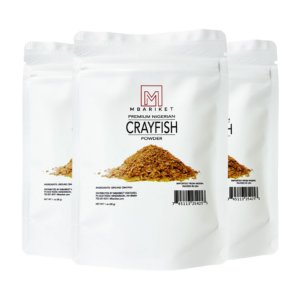
Umami seafood seasoning, especially in the form of finely milled crayfish or crawfish powder, works because it condenses the natural glutamates found in shellfish into a stable, shelf-ready form. It’s not about making food taste like seafood; it’s about making food taste more complete. In soups, it rounds out the broth; in sauces, it deepens the base; in rice and eggs, it adds a quiet savoriness that lingers; on grilled foods, it reinforces the browned exterior. As a savory flavor enhancer, it functions best when used sparingly and with intention.
At Mbariket, we’ve focused on that concentration—building a premium crayfish seasoning that dissolves cleanly and integrates quickly, so it works with your timing rather than against it. The goal isn’t to change what you cook, but to improve how it lands on the palate.
Once you start paying attention to sequence, you begin to see it everywhere. Salt too early and it disappears; too late and it sits on top. Add aromatics at the wrong moment and they either burn or fade. But when timing aligns, even a simple pan of shrimp and butter becomes something you remember.
Better cooking isn’t always about more effort. Often, it’s just about doing things in the right order—and occasionally, knowing exactly when to add that final, concentrated note that makes the whole dish feel finished. More at Mbariket.com.