I’ve found that most home cooks don’t struggle with technique as much as they struggle with finishing. A well-seared protein, properly cooked, often lands on the plate tasting flat because the final layer of flavor never quite materializes. In professional kitchens, that last step is rarely accidental. It’s built through small, deliberate additions—acid, fat, and increasingly, concentrated umami elements that give a dish resonance rather than just salt.
A pan sauce is where this becomes obvious. It’s one of the simplest cooking flavor techniques, but also one of the most revealing. After roasting or searing, the browned bits left behind hold a compressed record of flavor. The question is how you unlock it. Butter and wine will get you part of the way. Stock adds body. But what often separates a decent sauce from a compelling one is a deeper savory layer—something that doesn’t announce itself, but rounds everything else into focus.
Umami seafood seasoning operates in that quiet space. At its core, it is a concentrated seafood seasoning made from dried and ground shellfish—often crayfish or crawfish powder—designed to deliver glutamates and nucleotides in a compact form. These compounds amplify savory perception, which is why even a small amount can transform soups, sauces, rice, eggs, and grilled foods. Unlike fresh seafood, which contributes both flavor and texture, a finely milled crayfish seasoning integrates seamlessly, acting as a structural enhancer rather than a dominant note. It’s less about tasting seafood and more about experiencing completeness.
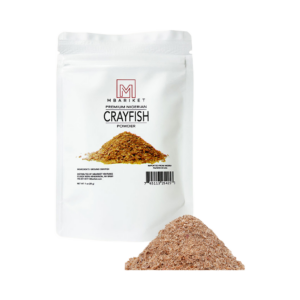
This is the logic behind how I use Mbariket Premium Crayfish Umami Seafood Seasoning. It’s not a headline ingredient. It’s a pantry upgrade that earns its place in small, controlled doses, especially in situations where a dish needs depth but not heaviness.
Consider a straightforward roasted chicken with a pan sauce. Start by seasoning bone-in, skin-on chicken thighs with salt and pepper, then sear them skin-side down in a hot, oven-safe skillet with a bit of neutral oil until the skin is deeply golden, about 6–8 minutes. Flip and transfer the pan to a 400°F oven to finish cooking for another 15 minutes. Remove the chicken and let it rest while you build the sauce directly in the same pan. Pour off excess fat, leaving about a tablespoon, then add a minced shallot and cook over medium heat until softened. Deglaze with a generous splash of dry white wine, scraping up the browned bits, and let it reduce by half. Add about half a cup of chicken stock and simmer gently. At this stage, stir in a small pinch—no more than a quarter teaspoon—of a concentrated seafood seasoning like crayfish powder. Whisk in a tablespoon of butter, taste, and adjust with a few drops of lemon juice and salt as needed. Return the chicken to the pan briefly to coat.
What happens in that moment is subtle but decisive. The sauce doesn’t taste like seafood, nor should it. Instead, it gains a kind of low-frequency depth that supports the chicken’s roasted character and ties the acidity, fat, and fond together. Without it, the sauce is pleasant. With it, the sauce feels finished.
This is the broader shift I see among serious cooks: a move away from adding more ingredients toward using better ones in smaller amounts. Concentrated umami seasoning, whether labeled as seafood seasoning, crawfish seasoning, or crayfish powder, fits neatly into that philosophy. It’s efficient, stable, and precise.
The goal isn’t to complicate cooking. It’s to make each step count a little more. That’s the difference between a meal that works and one that lingers. For those interested in exploring how a small adjustment can recalibrate an entire dish, more context is available at Mbariket.com.